Relationship Sparks: Transits to Natal Sun/Moon Midpoint
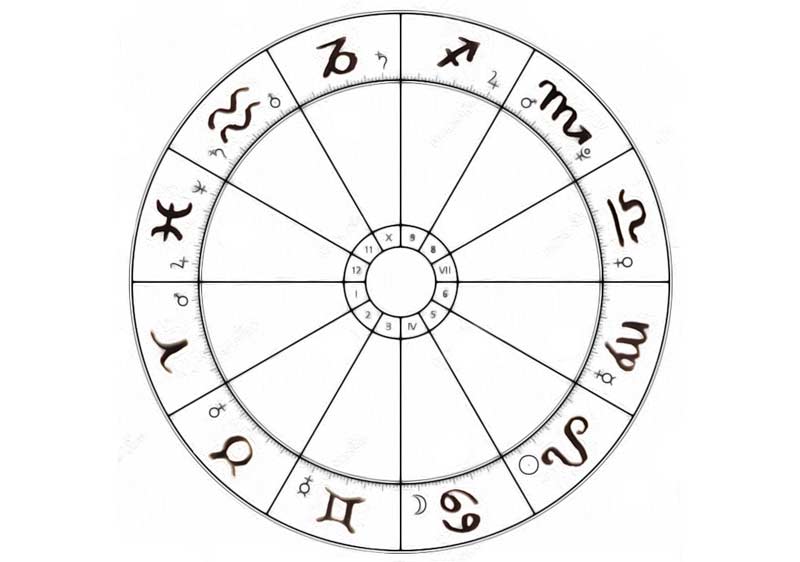
CREATE YOUR CHARTThe Sun/Moon midpoint sits precisely halfway between the Sun and Moon in your birth chart. It represents the integration of conscious will (Sun) and emotional need (Moon). Often called the "marriage point," it reflects your capacity for close relationship.
This is a magnetic axis. When activated by transit, things move. Significant relationships begin or end, emotional patterns shift, and inner and outer life realign. Looking back, this point was active during every major romantic event I can track.
This is actually my secret "go on dating apps" trick when I'm reluctant. When I see favorable transits approaching my Sun/Moon midpoint while single, I make myself get social and active. The transits create the timing, but you still have to show up.
When Venus and Mars both transited my Sun/Moon midpoint at the same time, I entered the first significant relationship I'd had in years. I also had other transits to my 5th house supporting it. But the midpoint activation was there, as it has been every time.
Multiple transits happening simultaneously are usually what trigger meetings. A single Venus transit alone might pass quietly. But Venus + Mars together, or Venus while other relationship transits are active - that's when things happen.
Transits to watch: conjunction, square, opposition. Keep a tight orb of 1-2 degrees. Conjunctions carry the most weight.
Sun and Moon Transits the Sun/Moon Midpoint
The Sun and Moon each transit this point roughly once a month. Their effects are subtle compared to slower planets, lasting only 1 to 3 days each. When they pass over the midpoint, conscious and unconscious needs briefly align, which can bring emotional clarity, a heightened sense of what you want from relationship, or a moment of romantic receptivity. Not landmark transits, but worth noting if other factors are active at the same time.
Venus Transits the Sun/Moon Midpoint
Venus rules love, romance, attraction. This is THE classic transit for romantic beginnings.
Venus transiting the Sun/Moon midpoint brings a focus on romance, affection, and beauty. It's a natural time for new romantic connections to form or for existing ones to deepen. Under normal motion it lasts about 1 to 2 weeks, but when retrograde it can cross the same point up to 3 times, extending the influence over several months. On its own it's not dramatic, but when layered with other transits it can be the trigger that opens a relationship.
This one never fails me! Add any planet in transit to it and go meet someone.
Mars Transits the Sun/Moon Midpoint
Mars rules desire, pursuit, sexual attraction. Strong for relationships that start with physical/sexual chemistry.
Mars here energizes the relational sphere with drive, assertiveness, and physical magnetism. Sexual attraction tends to be heightened and the desire to pursue or be pursued runs strong. It can mark a time of increased physical intimacy in an existing relationship or signal the start of one that begins with immediate, charged attraction. Check back on your first meeting or relationship landmark charts - a Mars transit to the Sun/Moon midpoint is often there.
Duration: 1-2 weeks direct, longer when retrograde.
Jupiter Transits the Sun/Moon Midpoint
Jupiter rules expansion, opportunity, timing, luck. Classic for fortunate romantic timing and relationships that feel "meant to be."
Jupiter expands whatever it touches. Transiting the Sun/Moon midpoint, it brings optimism, opportunity, and growth to the relational sphere. New relationships that begin under this transit often feel fortunate and well-timed. Existing relationships can reach a new level, an engagement, a commitment, a shared success. The conception or birth of a child is also associated with this transit. Jupiter stays within a 1 to 2 degree orb for roughly 2 to 3 weeks.
Saturn Transits the Sun/Moon Midpoint
Saturn transiting the Sun/Moon midpoint adds weight and seriousness to relationships. It can mark the beginning of a committed, long-term bond built on responsibility and mutual dedication. But it can equally bring difficulty: loneliness, emotional restriction, a sense of loss or futility. Separations and divorces can coincide with this transit just as marriages can. The common thread is consequence. Saturn here makes the relationship feel like it matters, for better or worse. With retrograde cycles it can cross the same point up to 3 times, making it one of the longer-lasting influences, sometimes several months in range.
Uranus Transits the Sun/Moon Midpoint
Uranus brings disruption and electricity. When it crosses the Sun/Moon midpoint, expect sudden changes in relationship status or the arrival of someone unconventional and unexpected. Existing relationships may be shaken up or completely upended. New connections that begin here tend to feel electric and unlike anything before. Freedom and independence become prominent themes. Similar to Saturn, retrograde motion can extend this transit over many months or close to a year.
Neptune Transits the Sun/Moon Midpoint
Neptune transiting the Sun/Moon midpoint brings a dreamy, romantic quality to relationships, but it also clouds perception. There can be a tendency to idealize a partner and be let down as a result. Deception and misunderstanding are possible, whether from someone else or from your own wishful thinking. New connections formed here can feel fated or spiritually significant, but staying grounded and seeing people clearly before committing matters a great deal under this influence. Neptune is one of the slowest transits here, staying within a 1 to 2 degree orb for up to 1 to 2 years.
Pluto Transits the Sun/Moon Midpoint
Pluto transforms at the root. This is one of the most intense transits to the Sun/Moon midpoint. It can mark the beginning or ending of a deeply significant relationship, a complete shift in relational power dynamics, or a period of profound emotional excavation. What surfaces tends to involve control, intimacy, fear, and desire. Relationships that begin under this transit are rarely casual. There is also a risk of entering into controlling or unbalanced dynamics, worth being aware of. Like Neptune, Pluto can stay within orb for 1 to 2 years, particularly when moving slowly or stationing.
North and South Node Transits the Sun/Moon Midpoint
When the North Node transits the Sun/Moon midpoint, significant meetings tend to occur, people who feel destined or soul-level important. The South Node transiting the same point can indicate the departure of someone significant or the closing of a relational chapter that has run its course. The Nodes move backwards at roughly 3 minutes of arc per day, staying within a 2 degree orb for about 40 days.